A date night does not have to be elaborate to feel intentional. The useful question is not which idea looks most impressive. It is which plan both people want, can afford, and have enough energy to enjoy this week. A small specific plan beats a perfect idea that never leaves the group chat.
How do couples make date nights happen consistently?
Choose the constraints first: time, setting, cost, energy, and any access or care needs. Pick an idea that fits, agree on a date, and name who handles the only necessary booking or setup step. Review the rhythm without turning missed weeks into a relationship score.
Choose constraints before ideas
Start with the week you actually have. Decide how much time, money, travel, preparation, and social energy both people can comfortably spend. Include accessibility, dietary needs, weather, care arrangements, and the recovery time a busy week may require. Constraints are not the boring part; they are how an idea becomes enjoyable instead of another obligation.
Ask whether you both want to go out, stay home, or leave the week less scheduled. The third answer protects date night from becoming a test of commitment. Resting together or moving the plan can be an intentional choice when neither person has room for a production.
Look for a mutual yes
Offer a small set of options that fit the constraints, then let either person decline an activity without defending their affection. A no to karaoke, a long drive, or a crowded room is information about the plan. It is not automatically a rejection of time together.
When preferences differ, look for the part each person wanted. The partner suggesting a restaurant may want novelty; the other may want a quiet evening. A new recipe at home might satisfy both. Compromise works better when it protects the need underneath the first idea instead of making both people complete half a plan they dislike.
Give the setup one owner
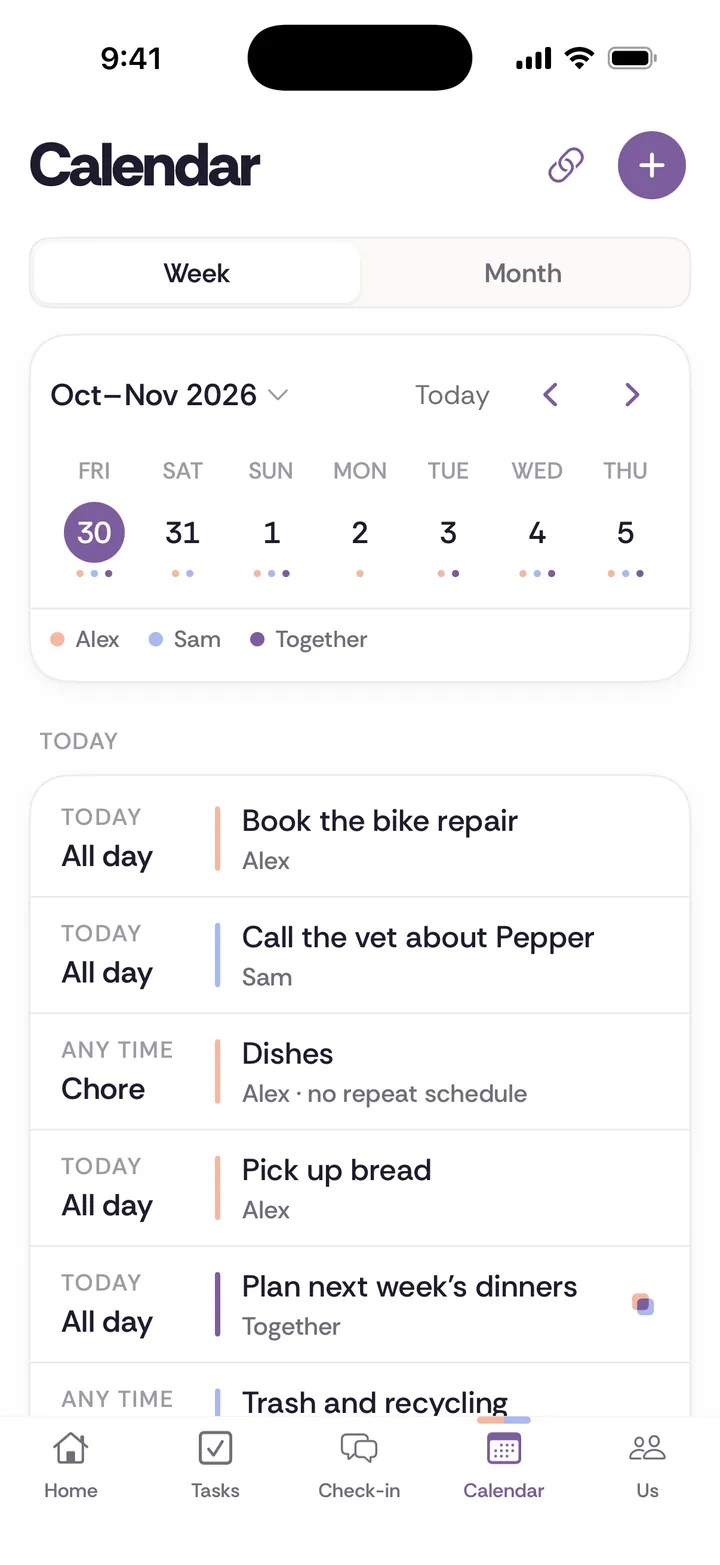
A date can disappear between 'we should' and a confirmed time because the practical work stays unnamed. Put the plan on the shared calendar and choose who handles the one necessary booking, ticket, route, ingredient check, or care arrangement. The other person should know what is confirmed and what still needs an answer.
Alternate planning when that feels fair, but avoid a rigid score. One date may require a reservation and another only requires moving two phones out of reach. Compare the real work and current capacity, then make the next handoff explicit.
Keep ordinary dates ordinary
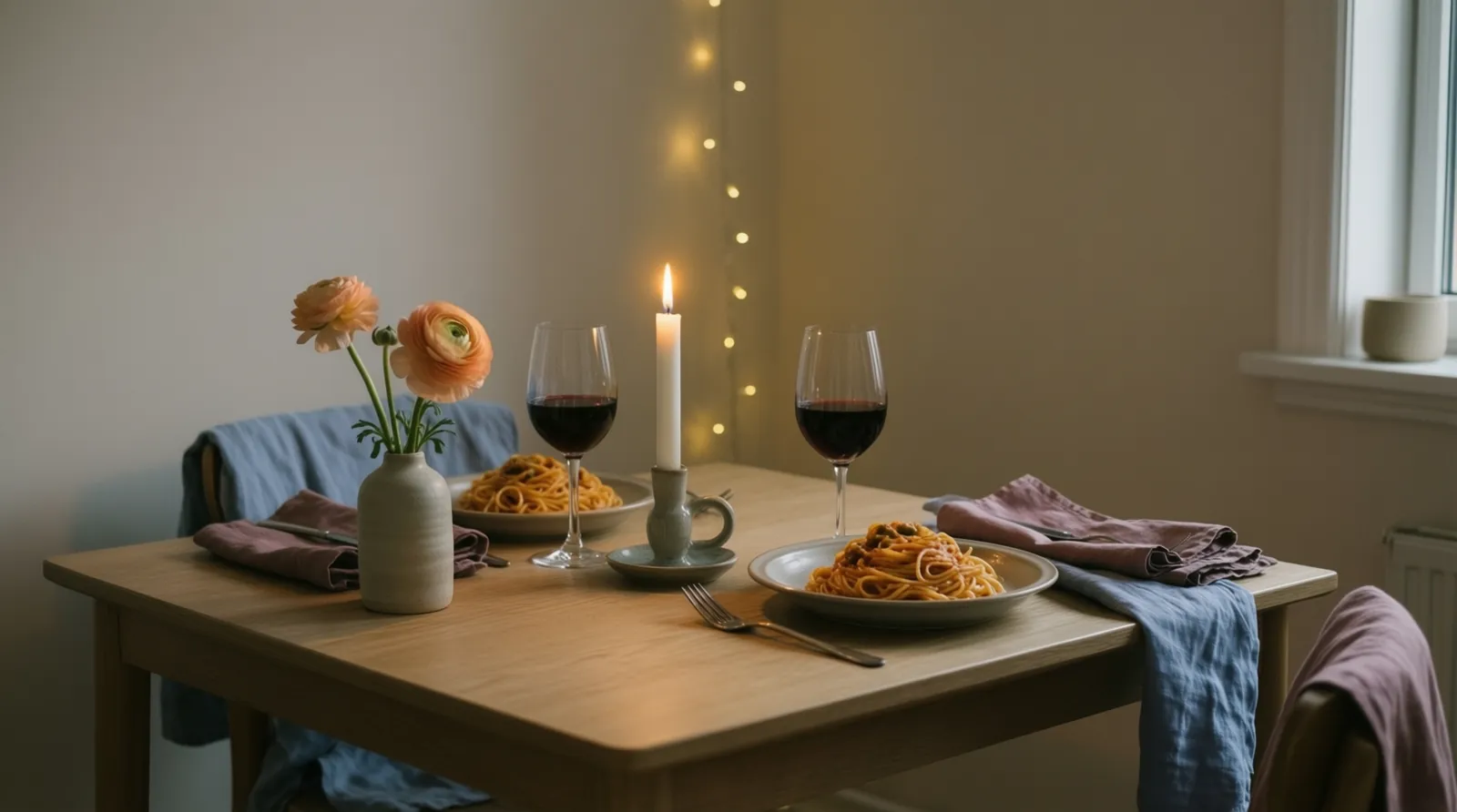
Connection does not require a destination that photographs well. A walk with one good question, breakfast before work, or takeout without television can feel more present than an expensive plan built around logistics. Keep a few low-friction ideas that work on tired weeks so the blank page does not win every time.
Novelty can help when routine feels flat, but add one new element rather than five. Try a different neighborhood, swap three meaningful songs, or choose one unfamiliar ingredient. A modest experiment leaves room for the person beside you instead of making the activity the entire event.
Build a rhythm without a streak
Choose a cadence you can revisit: a weekly walk, one planned evening each month, or a longer outing when the calendar allows. Put the next date in view before the current one becomes a vague memory. If life interrupts, reschedule or change the scale; do not turn a missed date into a broken relationship habit.
Afterward, ask one light question: what part would you repeat? Keep that answer with your shared preferences and use it when planning the next date. Tiptoe can hold plans and useful details, but the goal is not to optimize your partner. It is to make space you both want to enter.
Plan the next date in ten minutes
- Ask whether this week needs a night out, a night in, or fewer plans.
- Set a realistic time, cost, and energy boundary.
- Choose one idea that is a genuine yes for both people.
- Put it on the shared calendar and give the setup step an owner.
One useful rule
Make the next step clear enough that either person can explain it.
Keep the system kind and current
A planning tool can hold an agreement, but it cannot make the first agreement fair or permanent. Both partners need a real say, a way to raise a problem, and permission to change the plan when work, health, or capacity changes.
Questions couples ask
- How often should couples have a date night?
- Choose a cadence both people can support and revisit it when schedules or capacity change. Consistency can help, but there is no universal number that proves a relationship is healthy.
- What counts as a date night at home?
- Any mutually chosen time that feels meaningfully different from household logistics can count. A simple meal, a game, a music swap, or a phone-free hour may be enough.
- Who should plan the date?
- Name one owner for the necessary setup and alternate when that fits. Compare the actual planning work rather than assuming every date requires the same effort.